
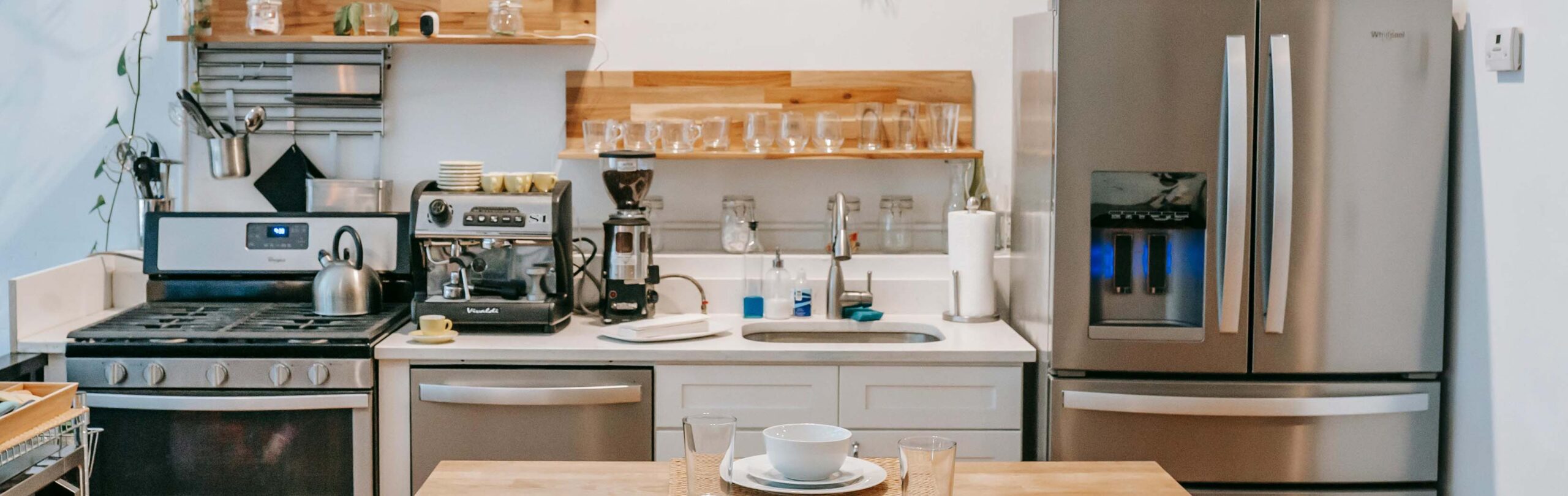
Swapping Out Toxic Kitchen Utensils for Healthier Alternatives: A Guide to a Safer Kitchen Your kitchen is one place where you prepare food in order to feed yourself and your whole family, that is why you need to ensure that all your cooking tools are as healthy as the food you use. Sadly, many of the utensils that one has in the kitchen are made of materials that can be harmful and toxic to the body when consumed. From both plastic and Teflon coating appliances to aluminum foil, as well as BPA-contained jars, toxic elements have a way of creeping in everyday meals. This issue is easily solved by utilizing other non-combustible and non-toxic materials thereby making the kitchen environment a much healthier one. Here’s a detailed guide on the switch from the use of toxic utensils to eco-friendly and non-toxic sustainable utensils.
1. Non-Stick Teflon Pans
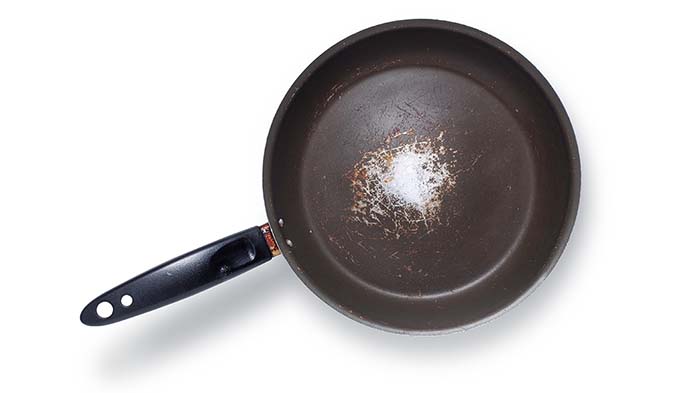
The food preparation tool is among the most used to make the cooking easy and therefore easily instilling one’s healthy to the food with ease. Many people know and use Teflon pans due to their usefulness in preparing food without sticking and seemingly heavy oil. Most of the time, such non- stick pans are Teflon based containing synthetic chemicals such as PTFE and PFOA. Such chemicals will on high heat ovens be rendered gas and unhealthy to the users causing what is known as the “Teflon flu.” An ideal alternative is those made of ceramics or those made of cast iron. Ceramic cookware where you do not have to use any oil to fry is one where the cooking surface is coated with a therapist and is safe for human health. Cast iron on the other hand does require seasoning but as time goes by makes its own non-stick coating surface and it is also cookware that moves from the stove to the cooking oven without introducing any toxic substance in the food.
2. Utensils for Cooking Made of Plastic
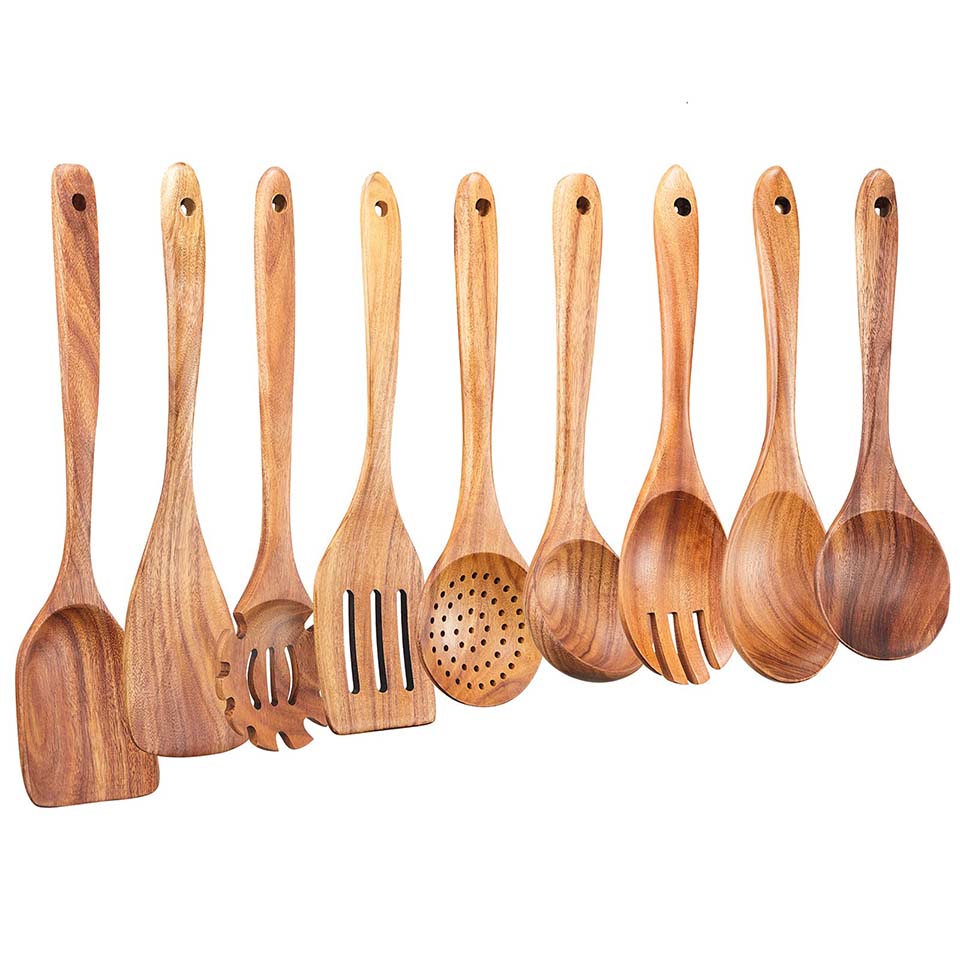
Plastic kitchen utensils are easy to find and cheap; however, they may contain toxic elements like BPA, phthalates, and microplastics especially when heated. Ditching sheathes made of steel welded plastic in favor of wooden or stainless steel ones is a healthy approach because they last longer. Most cooking utensils, which include wooden spatula made of beautiful, sustainable hardwood, are soft on the pots, do not hold bacteria, and get broken down in nature. It also beautifully complements the kitchen and unlike plastic, is not going to affect the user’s health by melting or emitting chemicals during cooking. Cooking with stainless steel utensils, though a bit heavy, is appropriate since they cannot be bent, are dishwasher-friendly, and require such tools during preparation. By switching to wooden and metal cooking spatulas, spoons and whisks instead of the plastic ones, you will also help lessen the amount of plastic pollution in the long run, thus, making the kitchen more environment-friendly.
3. Plastic Food Containers for Storage
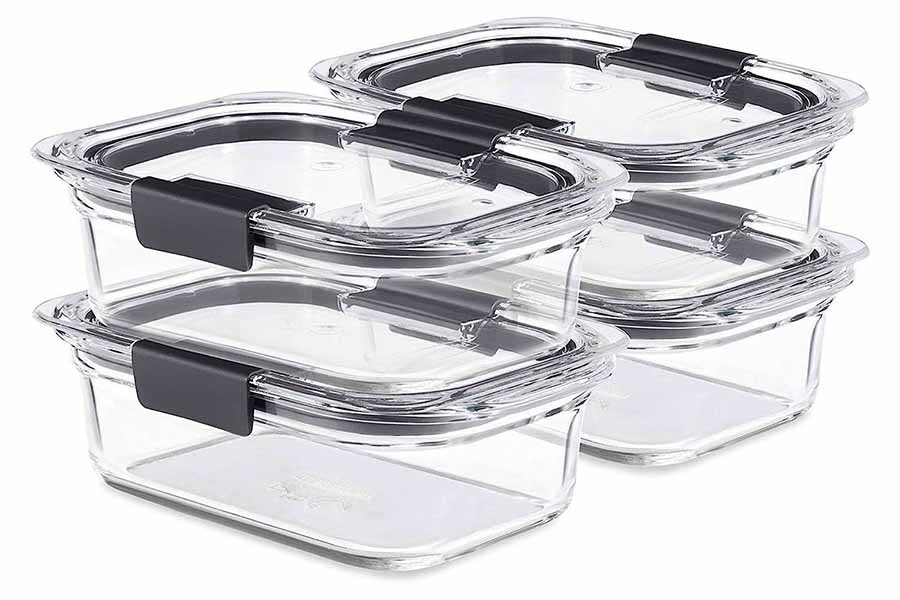
In regard to their ease of use, plastic food boxes are among the most preferred packaging materials; however, hot adhesives, acidic foods, and microwaving may cause them to release dangerous plasticizers such as BPA and phthalates. In this case glass containers are the best alternative, as they do not contain any harmful chemicals, are microwave friendly and keep food safe while avoiding any leaching. Glass also can be recycled and typically has a longer lifespan thus will help you save some cash. For people who prefer something more lightweight, portable stainless steel containers are also a good option. Though they are not suitable for microwave use, they are ideal for storing solid or non-liquid foods in a very tough frame suitable for packed lunch or snacks.
4. Aluminum Foil
Aluminum foil is also quite popular for various cooking techniques, food preservation, and more. However, on the flip side, oiled paper is inappropriate in certain dishes – as any acidic or spicy foods affect the composition of the paper leading to leaching. We all know the dangers associated with consuming too much aluminum, the best options would be those that encourage less usage of aluminum products. Unbleached parchment paper is perfect for use in baking and cooking because it is safe, environmentally friendly and adaptable. If one wishes to go completely green, then it would be relevant to use silicone baking mats. These mats can be reused and are non-sticking and heat-resilient materials used in baking dishes and plates for roasting vegetables and baking cookies. They are convenient since they do not require excessive attention, come in handy for many years and help cut down on the use of the disposables such as foil.
5. Plastic Cutting Boards
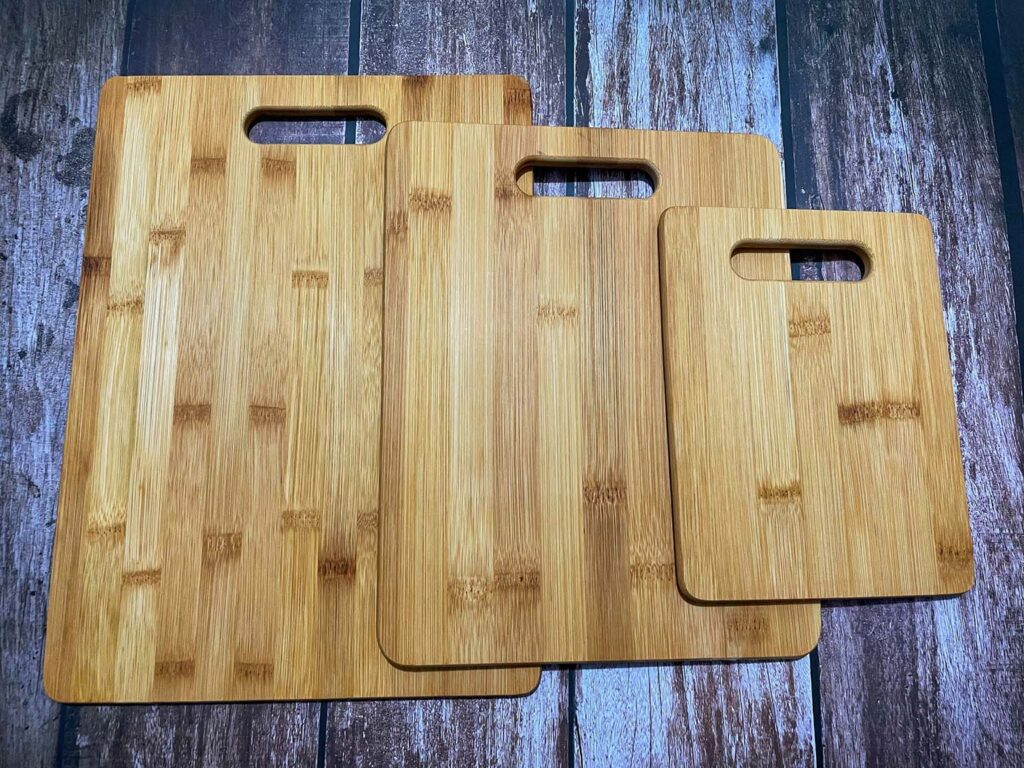
Cost-effective is the main reason many opt for plastic cutting boards other than durability. However, with continuous knife usage the boards are prone to grooving. These grooves not only provide shelter for bacteria but also leach out plastic residues into the foods being handled. A more environmental and smart solution would be using wooden or bamboo cutting boards. To begin with, wooden accommodated more cutting boards, a quality bamboo knife board is naturally resistant to bacteria since it is made from hard wearing wood. Wooden boards are much stronger than most materials but they require some work in maintaining them such as oiling but can serve in for ages; these provide a safe, chemical free working surface for cutting foods. Bamboo cuttings boards tend to be the best solution for people who want lightweight and environmentally friendly substitutes. It is resourceful and does not get affected by cuts from knives however maintaining it is easier than with hardwood, thus providing a healthy solution instead of using plastic.
6. Use of Plastic Straws And Plastic Wraps
Straws, plastic wraps, sandwich bags are all important sources of pollution and certain chemicals can leach out from them with time and temperature. These everyday plastic straws and wraps can be replaced with eco-friendly silicone, stainless steel straws or beeswax food wraps thus reducing the extent of plastic pollution. Silicone straws and wrappers are made of flexible and strong materials making them easy to clean thus can be reused safely. Beeswax wraps which are simply organic cotton fabric covered in beeswax husks are perfect for bowls, in wrapping sandwiches and for keeping leftover food. These wraps are biodegradable and don’t contain harmful substances and therefore can be enjoyed for healthy food preservation without the fear toxins.
Last But Not Least, Methods for Ensuring a Non-Toxic Cookroom
New kitchen utensils, particularly any intended for food preparation and serving, should always have the “BPA-free” or “food-safe” materials labels because those usually do not contain any hazardous substances. Avoid cooking at high temperatures with plastic utensils; it’s best to swap them with wooden or stainless steel options. If you must use plastic, avoid exposing them to high heat, as they can melt and release microplastics into your food. Also it is advisable to avoid using broken or peeling cookware to prevent any contaminants leaching into the food being cooked. These may seem like very minor things to do, but they help in ensuring there is less harmful substances in the kitchen and it is more healthy and eco-friendly.
Inducing a non-toxic kitchen is simple, and these changes can improve regular meals significantly. Each swap, from using ceramic pans to wrapping with beeswax, aids in safe cooking practices, dampening the use of toxic materials for food preparation. Buying well-made, healthy, non-toxic materials allow for a less hazardous environment for cooking and also aids in decreasing the environmental effect of cooking each meal.